The Story of Us (1999) review: messy but undeniably heartfelt

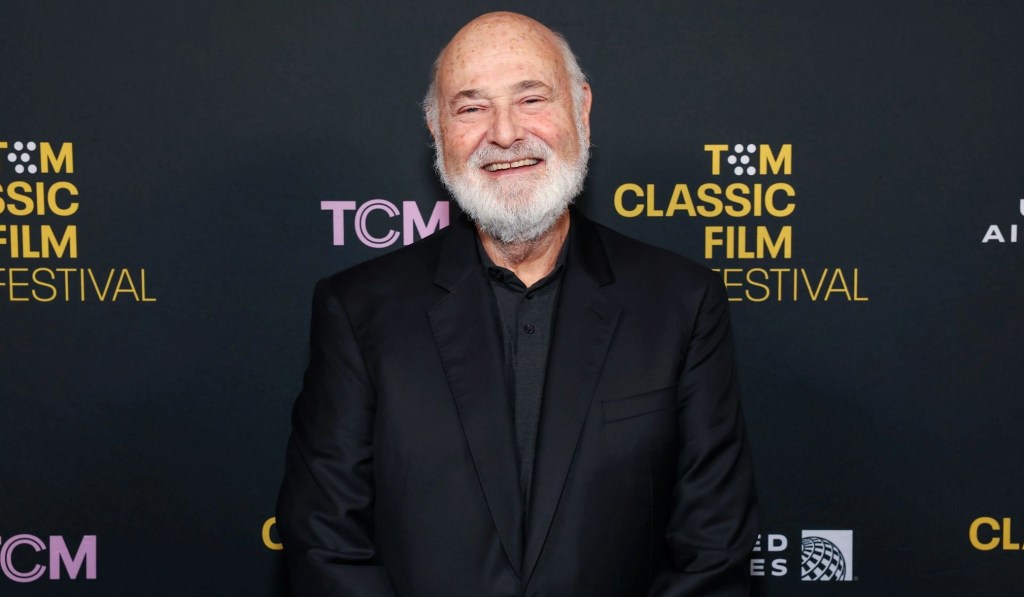
Last year was a non-stop cavalcade of horrific news, with the murder of Rob Reiner and his wife Michele (at the hands of their own son) capping off those rotten 12 months on the worst possible note.

The one thin silver lining to this grim affair was the massive outpouring of love that emerged in its aftermath, where fans, colleagues, and friends commemorated Reiner’s talent as a filmmaker alongside his strong moral fiber as a person.  

From a career perspective, one of the big through lines people focused on was Reiner’s versatility as an artist. Not only was he praised for his roles in front of the camera, but Reiner’s ability to spearhead a variety of genre projects as a director also came into sharper focus.

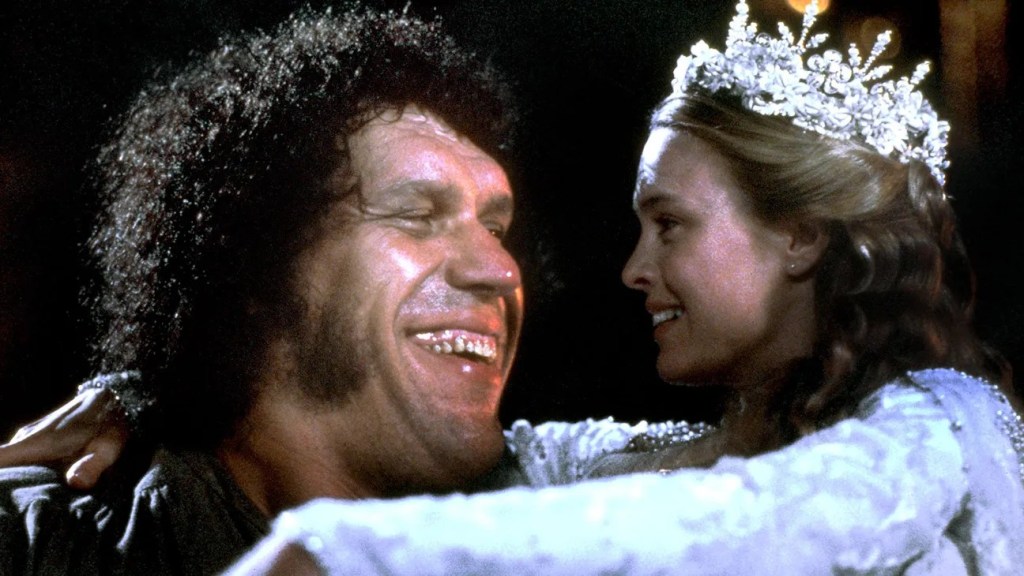
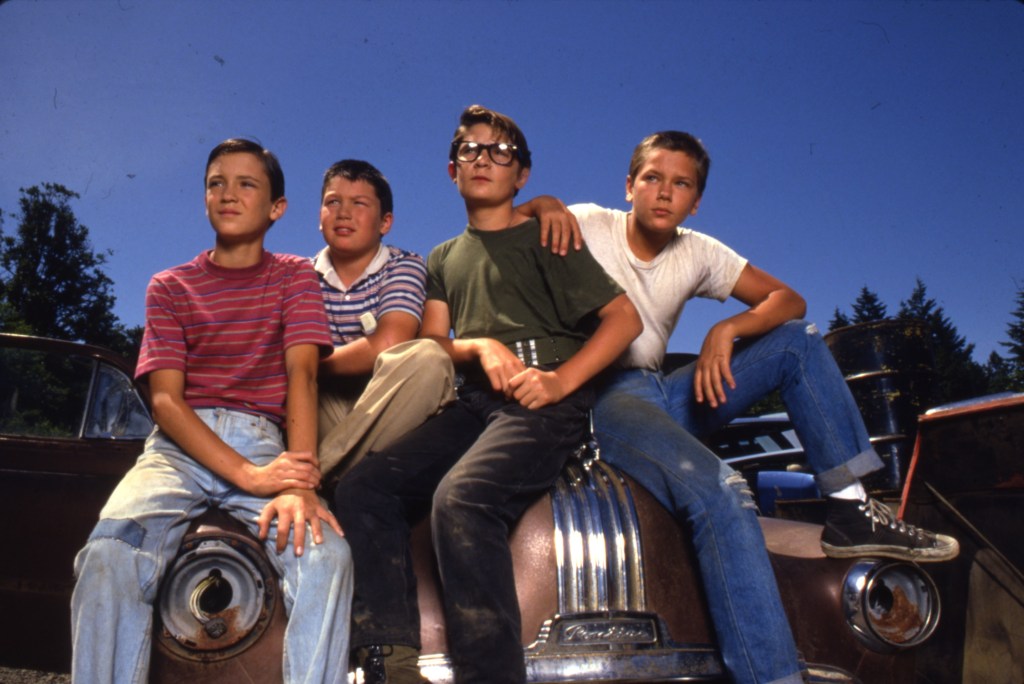
A brief scan through Reiner’s filmography will reveal classic coming-of-age dramas (Stand By Me), fantasy adventure (The Princess Bride), romantic comedies (When Harry Met Sally…), psychological horror (Misery), legal dramas (A Few Good Men), and mockumentaries (This Is Spinal Tap).

One film that wasn’t included in a lot of these wistful retrospectives (at least from what I saw) was The Story of Us (1999), a turn-of-the-millennium romantic drama that charts the troubled marriage of a couple played by Bruce Willis and Michelle Pfeiffer.

Looking at the reviews from that time, it’s easy to see why this film isn’t held in high regard today. On Rotten Tomatoes the movie holds a dubious 28% rating based on 128 reviews, with the critical consensus slamming it as “dull” and “predictable.” The audience score isn’t much better.

However, viewing the film with fresh eyes in 2026, I think The Story of Us is a worthy addition to Reiner’s catalogue, since it manages to embody the sensitivity, humour, and humanity that tied so many of his works together.

The plot of The Story of Us focuses squarely on Ben (Willis) and Katie (Pfeiffer), whose marriage of 15 years is on the verge of outright collapse. When their two children go away to camp for the summer, the couple are left in a state of limbo, not knowing if they should stay together for the kids or just make a clean break.

Ben and Katie’s relationship history is conveyed in a largely non-linear fashion, with the first act of the film being dominated by these brief flashbacks that catch the audience up to speed. Not all of these snippets are told in chronological order, so you’re largely reliant on context clues (like the characters’ changing hairstyles) to figure out when each scene fits into the timeline.

While all this is going on, Willis and Pfeiffer also provide dueling narration from the future, looking back on their turbulent marriage with a healthy degree of hindsight.

On paper, this narrative structure sounds like a mess and, admittedly, it can be a little discombobulating at first. However, I thought the editing team managed to string these disparate pieces together in a way that complimented the story. After all, the disruptive way these short flashbacks are inserted into the film mimics how a lot of people remember the past (i.e. chopped up into disorganized peaks and valleys with flimsy connective tissue in between). Plus, this jigsaw-like storytelling method kept my brain engaged throughout, as I was subconsciously filling in the gaps as the plot progressed.  

The dual narration also serves a purpose beyond just filling dead air. Outside of providing further insight into how each character views their failings as a romantic partner, the ambiguity of their dialogue leaves you hanging in suspense, since it’s not clear if they’re still married until the very end.

That being said, the film does slow down in its second act, with the interruptive flashbacks being dialed back considerably. This breathing room allows Willis, Pfeiffer, and the script to take centre stage, for good and for ill.

On one hand, Pfeiffer puts her all into the role of Katie. She is totally believable as a woman who feels overwhelmed and consumed by her role as a mother, so much so that she doesn’t have anything left to invest into her role as a wife.

Willis, meanwhile, is significantly less believable as the goofy sitcom dad. It’s not like he hasn’t demonstrated some acting range throughout his career, managing to shed that macho, tough guy image for movies like The Kid (2000) and The Sixth Sense (1999). But this role in The Story of Us seems far beyond Willis’ capabilities, especially whenever he’s asked to put on a funny voice or anchor an extended comedy bit.

At least the two of them work well together as a dysfunctional couple. Any scene involving Willis and Pfeiffer arguing or suffering through an artificially cordial dinner with their children is tense, with so much unspoken conflict bubbling beneath the surface.

The script, similarly, has its good and bad moments.

Sometimes, it seems like the writers are lazily treading into Men Are From Mars, Women Are From Venus type territory when the characters discuss how each sex views relationships. An early scene involving Ben and Katie’s respective friends talking about this subject at separate lunch dates seems like the cast of Seinfeld and Sex and the City are being artificially cross cut together.

Additionally, it’s kind of lame that the film’s overriding conflict ultimately gets resolved [SPOILERS] via a profound declaration of love from one of the characters. It just seems like a cheap and easy way to wash away the complicated relationship dynamics that were being explored for the previous 90 minutes.  

Still, the script manages to shine in some other key areas.

For one thing, the film wisely resists the urge to dive into outright melodrama or soap opera shenanigans as a shortcut.

Both Willis and Pfeiffer never committed infidelity, and they don’t resort to hurling kitchenware at each other to make a dramatic point.

Instead, the film shows (mostly through dialogue) that the key reason their relationship fell apart was far more mundane, with unfulfilled dreams, tragic miscommunication, and the growing responsibilities of parenthood creating a rift that’s far too wide to mend.

The filmmakers hammer this idea home by veering off into outright surrealism at one point, with Willis and Pfeiffer attempting to reconcile in bed before being interrupted by the ghostly apparitions of their parents.  A nightmarish scenario, for sure, but it does succinctly illustrate how these characters are products of their own dysfunctional upbringings. 

I also respect the fact that there is no clearcut villain in the story. Throughout the runtime, both characters bring up valid critiques of their partner while simultaneously falling prey to their own insecurities and lashing out. This largely leaves it up to the audience to determine who is in the right or wrong, making you feel, in a way, like you are a kid stuck between mom and dad fighting.

Thankfully, Reiner and his team make this difficult-to-stomach material digestible through several methods.

One is the calming soundtrack composed and cultivated by Eric Clapton, which serves as an acoustic balm that soothes any mental abrasions caused by all the marital strife on screen.

Another source of comfort is some well-placed humour.

While there are definitely some clunkers that don’t land, the film has enough clever lines and witty repartee to ensure that the whole enterprise doesn’t get swallowed up by its own self seriousness.

One of my favourite bits comes from Reiner himself, who plays Willis’ close friend and insists at one point that expecting the “perfect” marriage is as delusional as calling the fatty top of our legs an “ass.”

Several scenes later, Willis, who is suffering a mental breakdown, throws this simile back in Reiner’s face by telling him to shove a bread basket “up the tops of your legs.”

Admittedly, this is not the most refined joke in the world. It was even singled out by Roger Ebert in his scathing one-star review of the film as being an example of why this material doesn’t work.  

But something about Willis’ screeching delivery and Reiner’s calm look of embarrassment really worked for me, elevating what could have been a disposable, juvenile gag by tapping into some genuine human emotion.

That’s kind of the movie’s entire appeal in a nutshell: unsophisticated and sloppy in places, but undeniably earnest in what it’s trying to accomplish.

This material has undoubtedly been explored in better films, with Noah Baumbach’s Marriage Story (2019) and Richard Linklater’s Before Midnight (2013) both providing keener insight into the cataclysmic messiness of a failing marriage.

The Story of Us, while far more scattershot in its execution, at least comes at this difficult subject matter with a great deal of empathy, which is in such short supply these days that I’ll clasp onto anything that attempts to bring a civilizing force back into conversations surrounding relationships.

That humanizing eye is really what made Reiner as a filmmaker, with many of his most famous works eschewing brash cynicism in favour of celebrating the humanity of the characters on screen.
So with that in mind, perhaps it’s time to give The Story of Us another look for those who dismissed it 27 years ago.

It may not be perfect and doesn’t come close to eclipsing Reiner’s outright classics, but watching this movie at least puts the filmmaker’s career, as a whole, into better perspective, which is a worthwhile exercise now that he’s no longer with us.
Verdict:

7/10

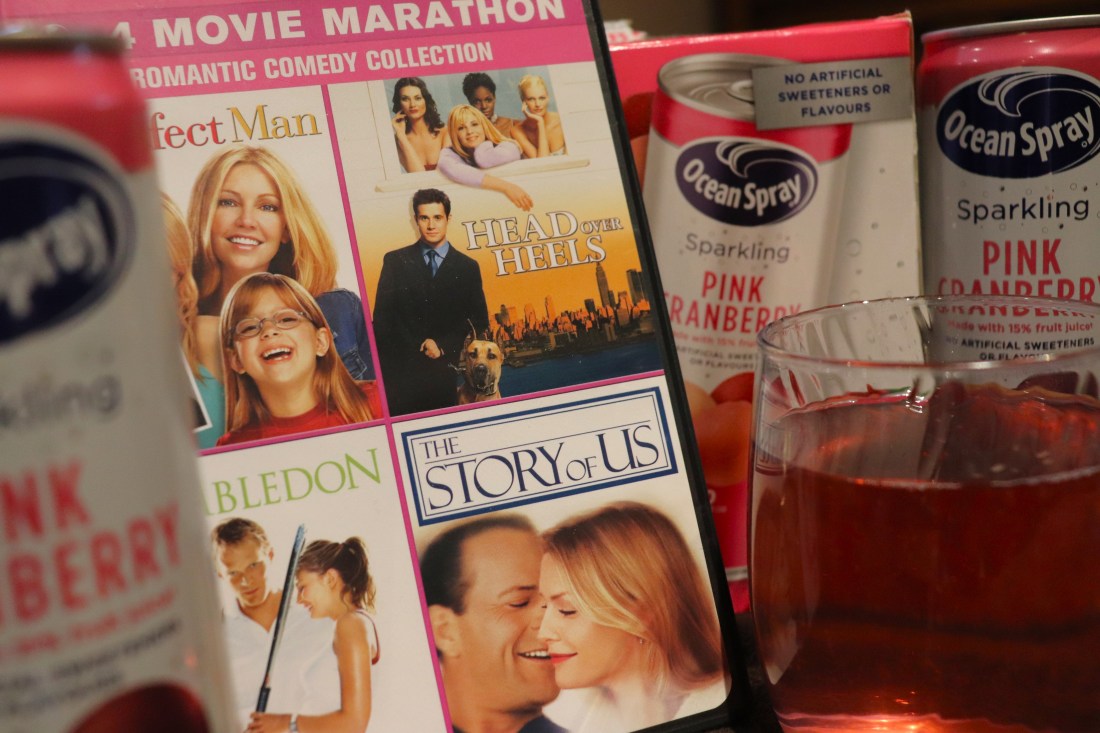
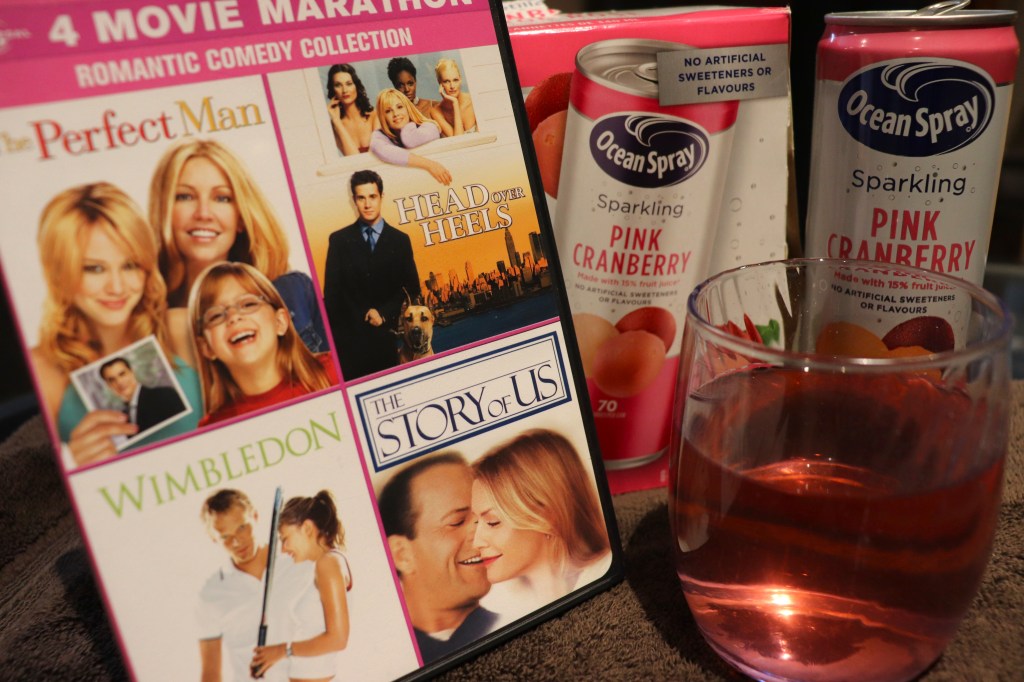
Corner store companion:

Ocean Spray Sparkling Pink Cranberry Beverage (because it’s light and refreshing, which should wash the unpleasant taste of a failing marriage out of your mouth)
Fun facts:

-Release date: Oct. 15, 1999

-Budget: $50 million

-Box office: $58.9 million

-Reiner had directed 29 features before his untimely death, with his final film being Spinal Tap II: The End Continues (2025). A follow-up concert film titled Spinal Tap at Stonehenge: The Final Finale was completed and scheduled to be released this year, but has been delayed due to Reiner’s death.

-Both Willis and Pfeiffer were dealing with some serious personal strife at the time of filming. Willis was going through his own divorce with Demi Moore, while Pfeiffer was grappling with her father’s death and the dissolution of her production company (Via Rosa Productions).

Musical highlight: “Classical Gas” by Mason Williams (plays over a pivotal scene in the third act when one of the characters has an epiphany)

-This film can currently be watched in its entirety on YouTube

The Lucky One (2012) review-Sparks on autopilot

After watching Scott Hicks’ The Lucky One (2012) last month, I finally polished off my 5-Film Nicholas Sparks Collection from Warner Brothers.

Having never indulged in any of Sparks’ romantic dramas before purchasing this DVD set, I was originally bracing for a pretty miserable movie marathon based on bad word-of-mouth and poor critical reception across the board.

However, running through all five films has proven to be a much more well-rounded viewing experience in terms of quality, with distinctive peaks (The Notebook, A Walk to Remember), valleys (Message in a Bottle) and plateaus (Nights in Rodanthe).

With this in mind, I was hoping to end this journey on a high note with The Lucky One, especially since this project boasted another attractive cast and picturesque American setting.

Unfortunately, this film also turned out to be a greatest hits compilation of all the worst elements of the four previous entries in this collection, with cheesy dialogue, ludicrous plotting and flat characters who belong in a cartoon.

Because of this, my initial journey into the world of Nicholas Sparks ended with more of a whimper than a PG-13 rated bang.

In case the trailer didn’t make it clear, the eponymous “Lucky One” of the story is Logan (Zac Efron), a US marine who miraculously survived several near-death experiences during a recent tour of Iraq.

Logan believes that his good fortune is due to a random photo he found in the dirt moments before a mortar shell killed several of his squad mates.

After returning state-side, Logan vows to find the woman featured in this photograph, eventually stumbling upon dog kennel owner Beth (Taylor Schilling) in a sleepy Louisiana town.

Rather than telling Beth the real reason why he showed up out of nowhere Logan applies to work at the kennel instead, allowing their romantic relationship to blossom on top of a healthy foundation of lies.

Of course, the flimsiness of this premise is suspiciously familiar to Message in a Bottle (1999), where the main character of that film also withholds the truth in order to get closer to a potential lover.

While Efron is not nearly as creepy or manipulative as Robin Wright was in Message, his character’s decision to lie by omission still comes across as being an extremely lazy way of manufacturing conflict.

After all, one of Logan’s defining characteristics in The Lucky One is that he is an honest and good-natured hunk, which doesn’t gel at all with the deceptive nature of his meet-cute with Beth.

I know screenwriter Will Fetters was bound by the constraints of the original source material, but judging by the Wikipedia summary for Sparks’ 2008 book he already changed around the basic plot structure for this movie adaptation. So, from where I’m sitting, a couple more tweaks couldn’t hurt.

For this hypothetical re-write, Fetters should also look at revising the other major antagonistic force in this story, which is Beth’s divorced husband Keith.

While actor Jay Ferguson is no stranger to playing jerks on TV shows like Mad Men, here he’s given absolutely nothing to work with portraying a romantic rival who is more warthog than man.

Basically, every negative trait you could associate with a jealous ex is put into a blender and poured into this character’s mould to make Efron look even better by comparison.

Outside of being physically and emotionally abusive to the mother of his child, Keith is also written to be a spoiled redneck who uses his status as the town sheriff to bully and intimidate people he doesn’t like (knowing full well that his judge father will absolve him of any wrongdoing).  

This character is so comically evil that he even points a loaded gun at Efron’s dog near the end of the movie, an action that should put him on the shit list of every viewer who isn’t an outright serial killer.

But despite this, the filmmakers also attempt to give Keith a rushed redemption arc at the tail end of the story, even though such a development isn’t earned or organic in the least.

But spotty writing is far from the only thing weighing The Lucky One down.

On a technical level, this film is littered with awkward cuts and weird editing decisions that give the proceedings a very amateurish feel.

At times it seems like the filmmakers simply lost certain footage during post-production, forcing them to splice certain scenes together without all the connective tissue.

For example, there’s one moment where Beth tells Logan about a treasured memory of her dead brother, where he sealed up one of her books in a brick wall.

However, this revelation lacks a lot of emotional impact on screen since the director didn’t include a close-up of the object in question, making it look like Schilling is staring at nothing.

In terms of acting, most of the cast actually turn in a respectable performance given the subpar material they have to work with.

Riley Thomas Stewart is particularly impressive as Beth’s nine-year-old son Ben, who outshines a lot of the adult actors in terms of presence and charisma.

Blyth Danner also gets saddled with some of the best lines as Beth’s sassy grandmother, reminding me, once again, of Message in a Bottle and how Paul Newman steals that movie in a similar, gender-flipped role.

While Efron does a decent job of playing the strong, silent type, it’s a shame he couldn’t decide on an accent to really anchor his performance.

Most of the time he sounds like your typical California surfer bro, but every once in a while he decides to deliver his lines with a Southern twang for some reason.

And as good an actor Efron can be given the right project, he’s not talented enough to save some of the Harlequin Romance novel-level dialogue he’s asked to spit out, like when he tells Schilling that “You should be kissed every day, every hour, every minute.”

But then again, that kind of corniness is what makes these movies (and the books they’re based on) so successful.

Having sat through five Sparks adaptations now, I’ll admit that there is something very appealing about how these different filmmakers lean into this highly romanticized material so unapologetically.

Through populating each movie with endless sunsets, vast aquatic scenery, vintage vehicles, and impossibly beautiful people, they’re able to create the perfect breeding ground for a love story that isn’t confined to a specific decade in late 20th century America.

The Lucky One is no different, with director of photography Alar Kivilo doing a lot of the heavy lifting to create that signature look and feel.

But unlike some of the better films in the Sparks canon (The Notebook, A Walk to Remember), this 2012 entry doesn’t have a strong enough script to elevate this unmistakably shallow subject matter.

Even though the movie tries to establish some depth early on by making a big deal about Logan’s PTSD, that important character detail is all but abandoned as soon as the romance with Beth gets fully underway. 

So in the end, The Lucky One doesn’t have a lot to offer besides some purely superficial elements that one can already experience by staring at the film’s generic theatrical poster.

And while this did represent a sour conclusion to my first foray into the world of Nicholas Sparks, I remain mildly interested in seeing how his six remaining movie adaptations turn out.

After all, this franchise is successful for a reason, and I feel like I’m getting closer to cracking that code with every new screening.

Verdict:

4/10

Corner store companion:

Carnaby Sweet marshmallow hearts (because it’s some cheap, sugary crap that should only be consumed around Valentine’s Day)

Fun facts:

-Release date: April 20, 2012

-Budget: $25 million (estimated)

-Box office: $60,457,138 (domestic), $99,357,138 (worldwide)

-While The Lucky One received mostly negative reviews from critics, the film picked up a number of Teen Choice Awards (choice movie actor-Efron, choice movie-drama) and a single People’s Choice Award (favourite dramatic movie actor-Efron). Riley Thomas Stewart was also nominated for a Young Artist Award for his performance in this film as Schillings’ son Ben.

-The Louisiana house where Beth lives was re-used for the 2014 Nicholas Sparks film adaptation for The Best of Me.

-Outside of feature films, director Scott Hicks has a history of helming documentaries and music videos for the Australian rock band INXS.

Musical highlight: “The Story” by Brandi Carlile (plays over the end credits)

Sweet Hearts Dance (1988) review-what a bunch of jerks

Likeable characters are the lifeblood of any light piece of entertainment, especially your standard romantic comedy.

After all, if we (the audience) can’t relate to the story’s leads why should we care about whether or not they get together at the end.

Despite featuring a lot of charming actors, Robert Greenwald’s Sweet Hearts Dance (1988) can’t seem to grasp that simple concept, since its cast is full of narcissists, pushovers, jealous lovers, and all-around jerks.

The film’s plot revolves around Wiley (Don Johnson) and Sam (Jeff Daniels); two lifelong friends who have chosen radically different paths in their adult lives.

Sam is the local high school principal and is just starting a relationship with the town’s newest arrival Adie (Elizabeth Perkins).

Meanwhile, Wiley and his wife Sandra (Susan Sarandon) have been married for 15 years and produced three children in that time.

Unfortunately, Wiley decides to leave his wife and kids after suffering a midlife crisis and Sam is forced to play mediator between the two affected parties.

Now, in order to make this premise work, the director and screenwriter really have to sell you on Johnson throwing away his family life, or else the rest of the movie pretty much implodes.

And while abandoning your responsibilities as a husband and father is a hard pill to swallow for a lot of audiences, this kind of selfish character arc can work if the filmmakers flesh out the serious ramifications of his decision.

Unfortunately, screenwriter Ernest Thompson doesn’t go there, and depicts this (theoretically) heart wrenching separation as a minor speed bump in the relationship that can be easily repaired.

In fact, it feels like Johnson never seriously tries to earn the forgiveness of his wife and children, since he spends most of the movie moping about the life he could have lead if he didn’t get married at such a young age.

To make matters worse, Sarandon’s anger at her estranged husband is disappointingly muted.

Even after he embarrasses her in public several times, which includes bedding a random bartender on New Year’s Eve, Sarandon’s character doesn’t have enough of a backbone to simply kick this loser in the dick and move on with her life.

Instead, she’s the one who makes the first move and attempts to reconcile the relationship, even though Johnson has done nothing to earn that level of respect.

These topsy-turvy character dynamics are especially hard to take since we live in a world where infinitely better divorce-dramas like Kramer vs. Kramer (1979) or Marriage Story (2019) exist, which do a much better job of making you sympathize with both sides of such a messy, painful process.

In Sweet Hearts Dance, the characters never come anywhere close to having a deep conversation that gets to the core of their marital strife. As a result, they come across as immature high school students going through a minor tiff, rather than two full-grown adults who are about to change their lives forever.

The supporting cast don’t come across much better.

While Perkins is going for sarcastic, Aubrey Plaza-level wit, she just comes across as being a mean-spirited cynic since her character isn’t given enough room to develop.

And even though Daniels is supposed to act as the voice of reason in his friend’s marital woes, he makes a bunch of extremely questionable decisions in his own love life.

Not only does he come across as a jealous psycho by giving Perkins shit after she sunbathes nude on vacation, but he impulsively asks his girlfriend to marry him even though they’ve only been going out for a couple months.

While this behavior could have been salvaged by injecting Daniels with some refreshing self-awareness, his romance with Perkins kind of putters out and their problems are never resolved in any meaningful way.

In fact, this film is full of half-baked ideas that could have been interesting if they were tweaked a little bit.

The most glaring example of this is how the film is structured, since early sections of the story are framed using major American holidays (Halloween, Veterans Day, Thanksgiving, Christmas, etc.).

But for some reason, the filmmakers abandon this festive sequencing after New Year’s Eve and decide to organize each subsequent story beat under title cards that read “Open House,” “Going Away,” and “Coming Home.”

I understand that the first few months of the year are short on noteworthy celebrations, but why in the blue hell did they skip over Valentine’s Day? You know, that one time of the year where sweet hearts usually attend a dance!?

It’s a shame that the script is as messy as it is, since all these actors have great chemistry.

Daniels and Johnson really sell you on the idea that they’ve been friends since grade school, with some of the best scenes in the movie involving them tobogganing, sailing, and threatening to beat up some local teenagers.

And even though their breakup and reconcilement isn’t well defined, Sarandon and Johnson at least feel like a married couple who are struggling to recapture the magic of their early relationship.

However, the film’s script can’t attain that same level of consistency, and the tone constantly flip-flops between light comedy and serious domestic drama without fully committing to either.

Because of this, I can’t get a beat on who this movie is meant for. It’s not sappy or wholesome enough for the Hallmark Channel and not edgy enough for the Sundance crowd.

Sweets Hearts Dance also doesn’t work as a date movie, since all this underdeveloped marital dysfunction definitely won’t put you and your companion in the mood.

My recommendation would be to watch this movie solo on a Sunday afternoon. That way you can turn down the volume and enjoy the film’s nice Vermont scenery while you vacuum and complete other weekend chores.

Verdict:

5/10

Corner Store Companion:

The Perfect Man milk chocolate bar (because it’s the closest you’ll get to finding a sweet romantic lead while watching this movie)

SweetHeartsDance5

Fun Facts:

-Release date: Sept. 23, 1988

-Budget: $ 9 million

-Box Office Gross: $ 3,790,493

Charmed actress Holly Marie Combs makes her feature film debut here as Johnson’s daughter “Debs.”

Sweet Hearts Dance director Robert Greenwald received a Razzie in 1980 for directing famous b-movie Xanadu. However, he was also nominated for an Emmy in 1995 for helming the TV miniseries A Woman of Independent Means.

-Greenwald eventually pivoted into documentary filmmaking and political activism later in his career, founding the media company Brave New Films in 2004. For the next 16 years, Greenwald dedicated his career to tackling hot button issues through documentaries like Uncovered: The War on Iraq (2004), Wal-Mart: The High Cost of Low Price (2005) and Unmanned: America’s Drone Wars (2013).

-Surprise cameo: Vermont senator, and current U.S. presidential hopeful, Bernie Sanders makes an uncredited appearance handing out Halloween candy at the very beginning of the film. Sweet Hearts Dance was filmed near the city of Burlington, where Sanders served as mayor between 1981 and 1989. Sanders’ only other feature film roll is playing a rabbi in the 1999 low-budget comedy My X-Girlfriend’s Wedding Reception.

Lonely Hearts (2006) review- A sleepy lead performance from Travolta drags down an otherwise solid film noir

As an industry, Hollywood is collectively guilty of many story-telling sins, like the tendency to over-romanticize important people, places, and things.

From botched biopics to anachronistic period pieces, the American film business has shown time and time again that it will go to great lengths to prune away the more unseemly elements of historical fact in favour of presenting a digestible narrative for general audiences.

Even violent criminals will sometimes get this treatment, since films like Bonnie and Clyde (1967) are still considered classics to this day despite being riddled with inaccuracies.

However, my general rule of thumb is that these white lies are forgivable as long the filmmaking behind them is solid, which is why Lonely Hearts (2006) works as a detective story despite the creative liberties its writer/director takes with the source material.

This movie’s plot follows the exploits of the “Lonely Hearts Killers,” a real-life pair of serial murderers who, from 1947 to 1949, lured as many as 20 women to their deaths through answering their personals ads.

While Jared Leto and Salma Hayek are saddled with portraying Raymond Fernandez and Martha Beck (the killers), John Travolta also stars as a hardboiled detective tasked with tracking the couple down. Of course, like any good film noir, this case is never as simple as it seems and Travolta’s ability to bring the killers to justice is always being complicated by his own personal demons.

Lonely Hearts actually serves as a great example of why I’m not so anal about historical accuracy in film, since one its strongest elements is a blatant fabrication on behalf of the filmmakers.

Hayek’s performance as the Martha Beck is completely unnerving, terrifying, and full of surprises, especially when you realize that she is the architect behind a lot of the killings.

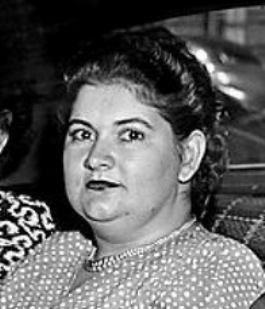
In fact, she’s so good that I didn’t even care that the real-life Beck was an overweight, homely white woman, who would have never been able to slip into the skimpy cocktail dresses that Hayek fills out so nicely in this film.

MarthaBeck(1)Salma Hayek(2)

While Leto is a little more willing to look like Raymond Fernandez (receding hairline and all), he’s also able to mix devilish charm with crippling insecurity, which makes him the perfect bait to attract a parade of desperate, lonely women.

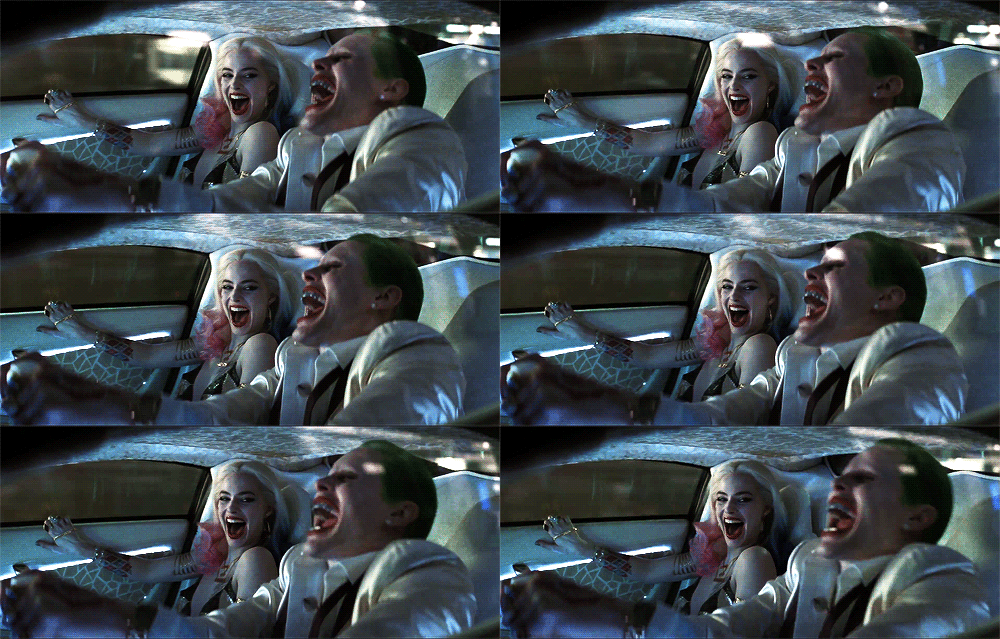
And even though the two are playing remorseless serial killers, Leto and Hayek still manage to develop some compelling chemistry similar to other famous outlaw couples in popular culture, like Sid Vicious and Nancy Spungen or (more fittingly) the Joker and Harley Quinn.

Margot-Robbie-as-Harley-Quinn-and-Jared-Leto-as-Joker-in-Suicide-Squad-margot-robbie-39790178-500-213

Now, are the filmmakers guilty of making us sympathize with a pair of degenerates who caused a lot of pain and suffering in real life? Maybe. But the movie’s unflinching look at the brutality these two inflicted on their victims also doesn’t let us forget that their relationship is rooted in fear and jealousy rather than love and trust.

However, the same level of praise can’t be drummed up for Travolta’s performance, since he largely sleepwalks his way through his lead role as a heartbroken detective without any real edge or enthusiasm.

He doesn’t bring anything new to this well-worn character archetype, and can’t even be bothered to delivery his lines properly a lot of the time.

In one scene, Travolta yells “Don’t ever mention my wife again. It’s none of your fucking business!” to a superior officer with all the squeaky bravado of a teenager going through puberty.

It also doesn’t help that his partner is played by James Gandolfini, who acts circles around Travolta in virtually every scene they’re in together.

This weak lead performance really takes the shine away from some of the film’s finer qualities, since director Todd Robinson actually put a lot of work into creating a immersive atmosphere by littering the movie with tasteful tributes to classic film noir.

Not only is the soundtrack suitably jazzy and retro, but the grizzled voice-over narration by Gandolfini does a great job of setting the scene for a post-WWII America that is riddled with crime.

As the film’s sole screenwriter, Robinson also sneaks in some nice character development for Travolta’s character, whose quest to find meaningful intimacy mirrors Fernandez and Beck’s homicidal love story.

It’s too bad that Travolta’s half-baked acting sticks out like a sore thumb, especially when everybody else in front of the camera (and behind it) is firing on all cylinders.

And while the filmmakers definitely play fast and loose with their “based on a true story” hook, Lonely Hearts still manages to retain the dysfunction and creepiness of its real-life subjects, which makes it a compelling watch for anyone who is a fan of serial killer dramas.

Just try not to get distracted by Travolta’s bad acting, or his tough-guy toupee.

Verdict:

7/10

Corner store companion:

Hersey’s Kisses (because if you’re a movie nerd like me, chances are these are the only kisses you’ll be getting on Valentine’s Day).

IMG_1760

Fun facts:

-Original release date:

April 30, 2006 (Tribeca Film Festival)

April 17, 2007 (limited release)

-Budget: $18 million (estimated)

-Box office gross: $2,517,423 (worldwide)

-Director Todd Robinson is the grandson of Elmer Robinson, the real-life detective (played by Travolta in this film) who investigated the Lonely Hearts murders in the late 1940s.

-Despite not being the same race as their real-life counterparts, both Leto and Hayek underwent slight cosmetic alterations to get into their roles. While Leto had to shave the front of his head to match Raymond Fernandez’s hairline, Hayek wore contact lenses to replicate Martha Beck’s blue eyes.

-The story of the “Lonely Hearts Killers” has been portrayed on film a total of four times. Besides Lonely Hearts, the story has been re-told in Mexican with Deep Crimson (1996), in French with Alleluia (2014) and in black and white with the American cult classic The Honeymoon Killers (1970).